Sometimes the right Michigan building shows up before the investor has sold anything, and waiting for a conventional exchange sequence means losing it to another buyer. Twenty years of working exchange timelines in this state has shown us that a reverse structure, done correctly, is often the only way to actually get the property the investor wants.
How the Parking Arrangement Actually Works
Under the safe harbor structure most practitioners rely on, an exchange accommodation titleholder takes and holds title to either the replacement property or the relinquished property while the rest of the exchange gets sorted out, keeping the investor from owning both properties at once during the transition. That parking arrangement has its own 180-day clock, separate from but running alongside the eventual sale of the relinquished property, and both timelines need to be tracked together rather than treated as one deadline.
Choosing whether the accommodation titleholder holds the replacement property or the relinquished property depends on financing, title insurance, and the investor's own preference, and that choice needs to be made with the exchange attorney and QI before any documents are signed, not worked out after the fact.
Why Fast-Moving Michigan Submarkets Push Investors Toward This Structure
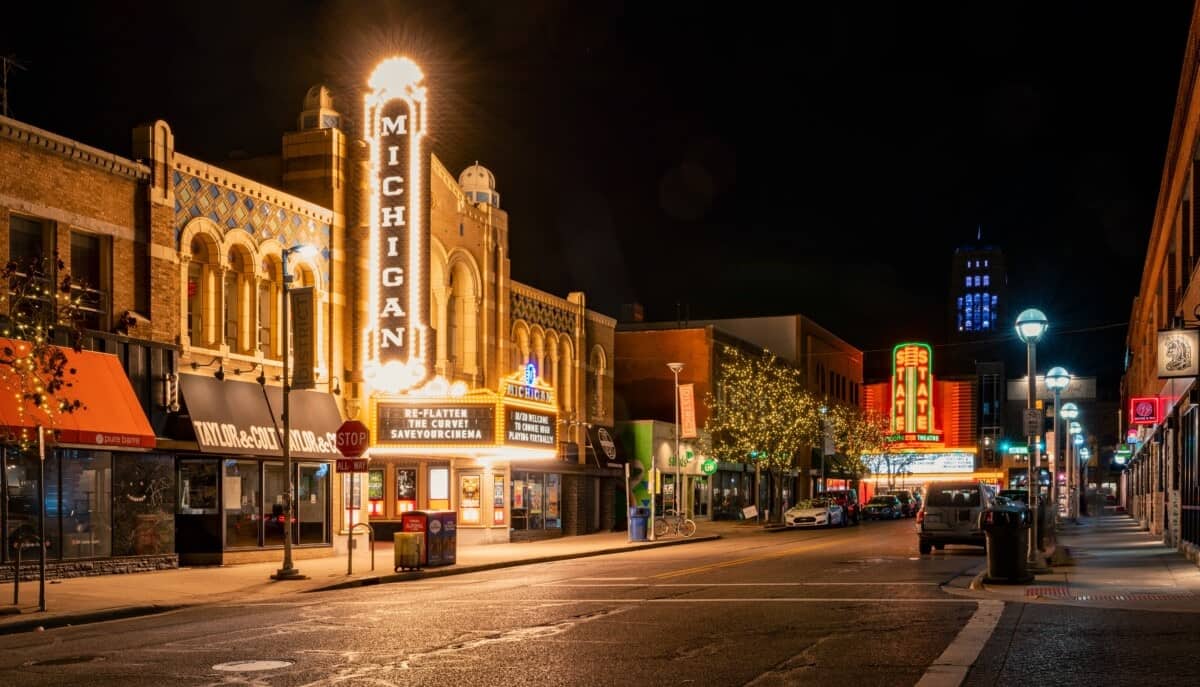
Ann Arbor's tight inventory of quality office and multifamily buildings, and Grand Rapids' growing industrial and mixed-use market, both move fast enough that a seller with a competing cash offer often won't wait for an investor to finish selling a relinquished property first. When that happens, a reverse structure lets the investor secure the replacement property immediately while the relinquished-property sale runs on its own separate track.
Lender Comfort With Parked Title Isn't Automatic
Not every lender is comfortable financing a property that's technically titled to an accommodation entity rather than the investor directly, so this needs to be confirmed well before the investor gets deep into a purchase agreement. Coordination items that matter most in a Michigan reverse exchange include:
- confirming the lender will finance a property held by an accommodation titleholder
- identifying who holds title during the parking period and under what agreement
- aligning financing documents and guaranties with the exchange structure
- tracking the 180-day parking clock separately from the identification clock on the relinquished property
- launching the relinquished-property sale process without unnecessary delay
The Relinquished Property Still Has to Sell
A reverse exchange solves the timing problem on the replacement side, but it doesn't remove the need to sell the relinquished property within the structure's own deadlines. We push to get that property market-ready and listed as early as possible once the parking arrangement begins, since a slow sale on that end can put the entire reverse structure at risk even after the replacement property has already been secured.
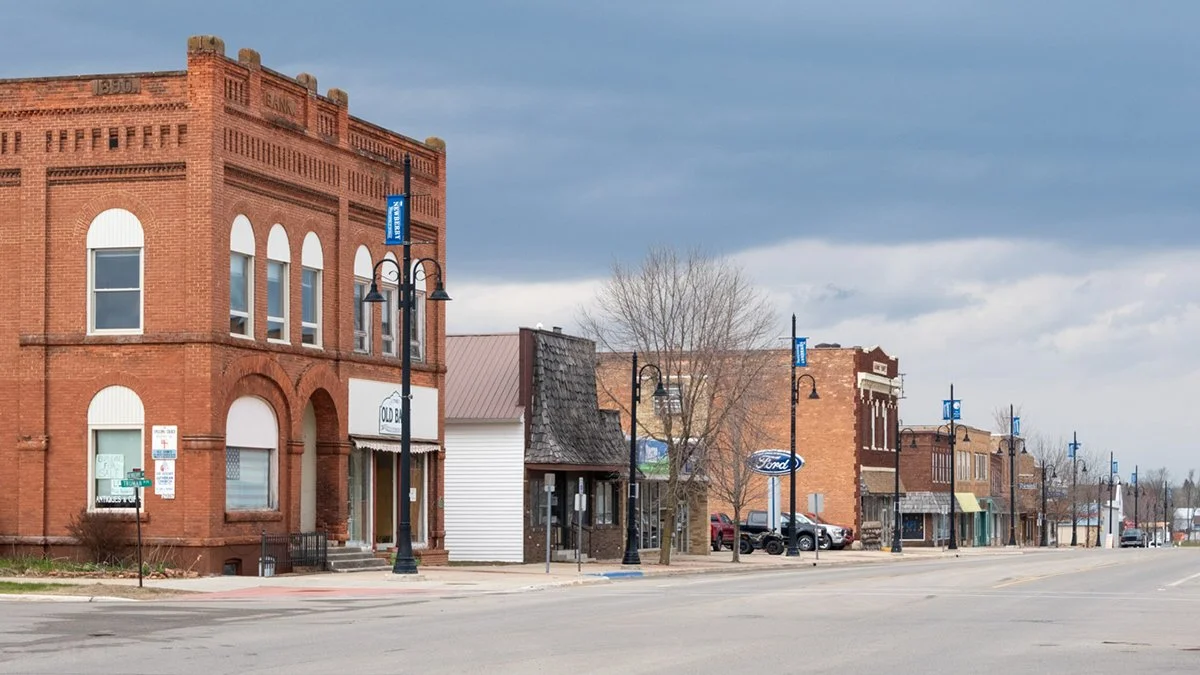
A relinquished property sitting in a slower Michigan submarket, a smaller west Michigan town rather than Grand Rapids itself, for example, needs an especially realistic pricing and marketing plan from day one of the parking period, since there's no extension available if the sale simply takes longer than expected.
Setting Up the Structure Before It's Needed
Because a reverse exchange has to be documented before the replacement property closes, an investor who waits until a purchase agreement is already signed has usually waited too long. We recommend confirming QI capacity, lender terms, and accommodation-entity setup as soon as a fast-moving Michigan property enters serious negotiation, not after the deal is already locked in.
Common 1031 Exchange Questions
How is a reverse exchange different from a standard 1031 exchange?
In a standard exchange, the relinquished property sells first and the replacement property is identified and purchased afterward. In a reverse exchange, the replacement property is acquired first, with an accommodation titleholder holding it temporarily while the relinquished property is sold.
Why would an investor choose a reverse exchange in a market like Ann Arbor?
Ann Arbor's inventory of strong replacement properties can be thin enough that waiting for a conventional sale-then-purchase sequence risks losing the property to a competing buyer. A reverse structure lets the investor secure it immediately while the sale of the relinquished property proceeds separately.
Does every lender allow financing on a property held by an exchange accommodation titleholder?
No, and this needs to be confirmed early, since some lenders are unwilling or unable to finance a property titled to an accommodation entity rather than the borrower directly. We raise this question with the lender before the investor commits to the replacement purchase.
How long does the parking period in a reverse exchange last?
The safe harbor structure most exchanges rely on allows up to 180 days for the accommodation titleholder to hold the property before it needs to be transferred to the investor as part of a completed exchange.
Can the same qualified intermediary handle both a reverse exchange and the paperwork for a standard forward exchange?
Often yes, though not every QI offers reverse exchange accommodation services, so this needs to be confirmed before an investor commits to a fast-moving Michigan purchase. We check QI capacity for the reverse structure specifically, since it's a more involved service than standard forward exchange administration.
What happens if the relinquished property doesn't sell within the reverse exchange timeline?
That's a serious risk that has to be planned for from the start, which is why we push to list and market the relinquished property as soon as the parking arrangement begins rather than waiting until the replacement purchase closes.