The qualified intermediary holds the money and the paperwork; we make sure both actually arrive where they need to be. After twenty years watching Michigan closings move through everything from a Wayne County title office to a small independent closer near Traverse City, the paperwork gap is almost always what causes a delay, not the exchange rule itself.
Why the QI Has to Be a Disqualified-Free Party
The exchanger cannot use their own attorney, accountant, real estate agent, or anyone who has acted as their agent within the two years before the exchange as the qualified intermediary, because that relationship would give the exchanger too much practical control over the proceeds. We confirm the proposed QI is genuinely independent before the exchange agreement is signed, since discovering a disqualifying relationship after closing has already happened is far more expensive to fix than catching it upfront.
This comes up more often than investors expect in Michigan, where a longtime relationship with a local accountant or attorney can feel like the natural choice for handling exchange paperwork, but that same familiarity is exactly what disqualifies them from serving as QI.
Getting the Assignment Language Right at Both Closings
The purchase agreement for the relinquished property and the purchase agreement for the replacement property both need assignment language naming the qualified intermediary, and that language has to match what the title company and the investor's attorney expect to see at the closing table. We review draft purchase agreements before they're signed whenever possible, because a missing assignment clause discovered the week of closing forces last-minute amendments that some sellers or buyers simply won't agree to.
County-by-County Closing Customs Add Friction
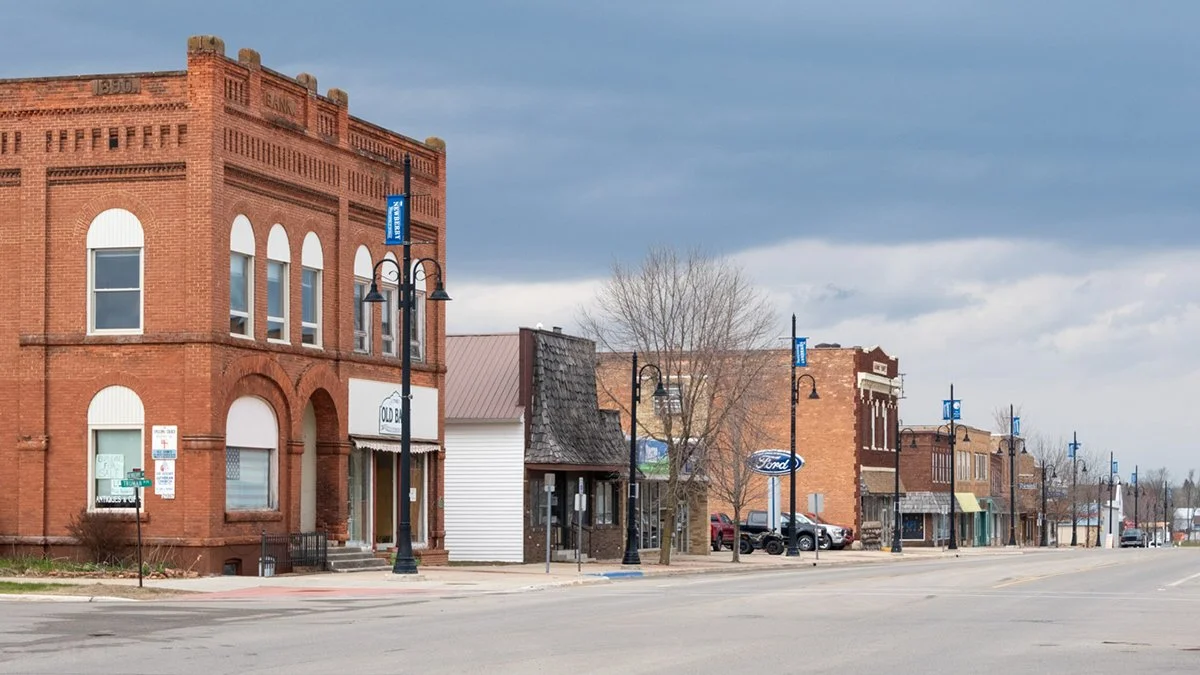
A Wayne County or Oakland County closing typically runs through a title company used to seeing exchange paperwork regularly, while a rural closing near Traverse City or in a smaller west Michigan county may involve a closer who handles far fewer exchanges in a given year. Coordination tasks worth tracking across a Michigan exchange include:
- confirming the closing agent has handled a 1031 assignment before
- sending the exchange agreement and assignment language ahead of the closing date
- verifying wire instructions directly with the QI rather than through email alone
- tracking the funds from relinquished-sale closing into the QI's escrow account
- confirming replacement-property funding instructions match the identified property
Avoiding Constructive Receipt
The exchanger can never touch, direct, or gain the ability to direct the sale proceeds during the exchange period, even briefly, or the entire exchange can unravel for tax purposes. Proceeds need to move directly from the relinquished-property closing into the QI's escrow, and any refund, interest, or leftover amount needs to be handled through the QI's procedures rather than routed back to the investor informally.
We've seen this rule tested by something as simple as a closing agent asking whether the seller wants a check versus a wire, so we make sure every party at the table, from the Wayne County title officer to a small independent closer near Kalamazoo, understands that the proceeds only ever move to the QI's account.
Keeping Communication Moving During Busy Closing Periods
Spring and early summer bring a wave of closings across Michigan as buyers try to move before the school year and before winter construction slowdowns set in further north, which means QI response times can slip during exactly the weeks an exchange deadline is tightening. We keep a standing communication line open with the QI's staff through both the identification period and the closing sequence so a slow week doesn't turn into a missed deadline.
Common 1031 Exchange Questions
Can my real estate agent also serve as my qualified intermediary?
No, if that agent has represented you as an agent within the two years before the exchange, they're considered a disqualified person and cannot serve as your QI. We check this relationship history before an exchange agreement is signed.
What happens if exchange proceeds accidentally get routed to me instead of the QI?
Even brief actual or constructive receipt of the proceeds can jeopardize the entire exchange's tax treatment, so this is one of the most serious mistakes an exchange can make. We coordinate wire instructions directly with the closing agent and the QI to keep the money moving on the correct path.
Do all Michigan title companies handle 1031 exchange closings the same way?
No. Larger title offices in Wayne, Oakland, and Kent counties handle exchange assignments regularly, while smaller closers in less populated counties may see them only occasionally. We confirm the closing agent's exchange experience ahead of time rather than assuming familiarity.
How early should the qualified intermediary be engaged before the relinquished property closes?
The exchange agreement needs to be signed and the QI named before that first closing occurs, since the exchange structure has to be in place before the sale proceeds change hands. We recommend engaging the QI as soon as the relinquished property is under contract, not the week of closing.
Who decides how leftover funds in the QI's account are handled at the end of an exchange?
That's governed by the exchange agreement and IRS timing rules, and it's a question for the qualified intermediary and the investor's tax advisor rather than something we resolve informally. We make sure the exchange agreement's terms on that point are clear before the exchange begins.
Does it matter which Michigan county the relinquished property closes in?
It affects how familiar the closing team is with exchange paperwork more than it affects the legal mechanics themselves. A busier Wayne or Oakland County office may process assignment language routinely, while a smaller county closer may need extra lead time and a clearer explanation of what's required.