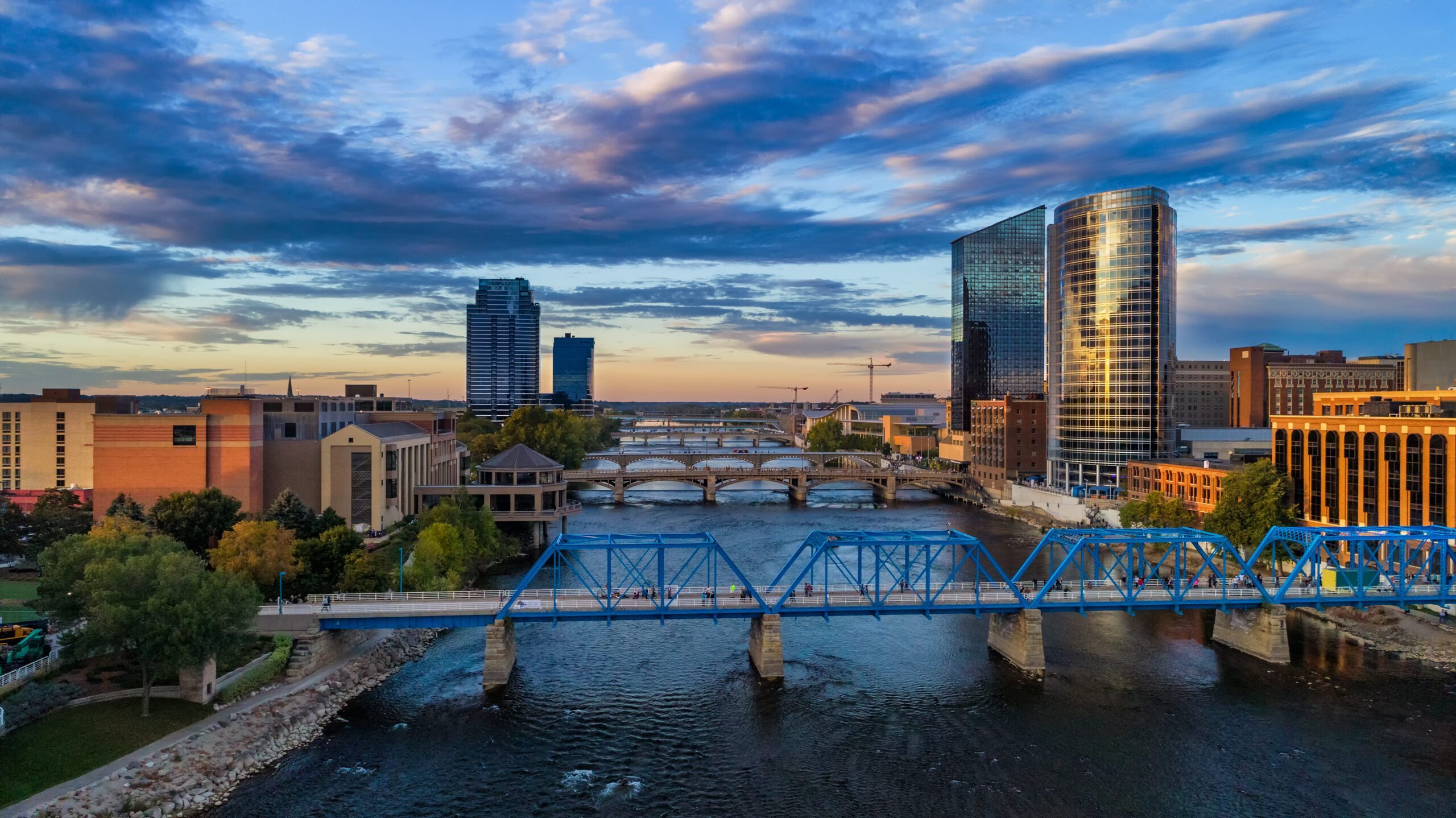
Southgate anchors the Eureka Road retail corridor that draws shoppers from across Downriver Detroit, and that regional pull is the main reason exchange buyers look at this market before considering the smaller Downriver cities around it. Between Eureka Road's big-box density and the I-75 industrial belt a few blocks east, Southgate offers a wider property mix than its size would suggest.
Eureka Road's Regional Retail Draw
Eureka Road functions as the commercial spine for the entire Downriver area, pulling shoppers from Wyandotte, Trenton, Riverview, and Allen Park in addition to Southgate itself. Big-box anchors, national fast-casual pads, and mid-size strip centers line the corridor between Fort Street and Allen Road, and vacancy in the best-positioned pads stays low because there is no comparable retail concentration anywhere else in the Downriver submarket.
Industrial and Flex Near the I-75 Corridor
Southgate's industrial stock sits mostly east toward I-75, where Downriver's older auto-supplier and steel-adjacent manufacturing history still shows up in parcel records even where buildings have been repositioned for logistics and general warehousing. Proximity to the Detroit River shipping channels and to Detroit Metro Airport a short drive south keeps demand steady for distribution-oriented users, even on buildings that were built for a very different original tenant decades ago.
Property Types That Trade in Southgate
- big-box and net-lease retail pads along Eureka Road
- light industrial and warehouse space near the I-75 corridor
- medical office serving the Downriver population
- strip retail centers along Fort Street
- self-storage serving the dense residential base around Allen Road
Where Downriver Proceeds Typically Go
A seller exiting Southgate retail often looks first at Dearborn for a deeper industrial and medical office bench, or stays within Downriver and considers Trenton or Wyandotte for a smaller, more affordable version of the same net-lease product. Buyers prioritizing distribution and logistics tenants tend to widen the search toward Detroit's near-southwest industrial pockets, where larger parcels and rail access are more common than Southgate's built-out lots allow.
Diligence Notes Specific to This Market
Older industrial parcels near the I-75 corridor and anything with a documented auto-supplier or metal-finishing tenant history should carry a Phase I before it reaches an identification list, and buildings closer to the Detroit River drainage system warrant a floodplain check that a Southgate-specific survey will catch faster than a generic county map, since drainage patterns along this stretch of the river shifted after decades of industrial development upstream. Eureka Road pad leases often carry co-tenancy clauses tied to the corridor's anchor stores, so a rent roll review should confirm whether any anchor vacancy elsewhere on the corridor could trigger rent reductions in the property being considered.
Southgate Deadline Control Plan
Southgate should be reviewed with the sale closing date, the 45 day identification deadline, the 180 day acquisition deadline, debt replacement needs, and advisor questions visible in the same working file. For this replacement market, the active facts include big-box and net-lease retail pads along Eureka Road, light industrial and warehouse space near the I-75 corridor, medical office serving the Downriver population, strip retail centers along Fort Street. Those details affect whether a candidate belongs on the written identification list, whether it should remain a backup, or whether it needs to be removed before the investor relies on it.
The Michigan exchange plan should also document why Southgate is being considered instead of a broader market label. The file should separate property fit, seller cooperation, lender timing, title review, inspection access, and closing certainty so the qualified intermediary, CPA, attorney, broker, and lender are not working from different assumptions after identification.
Common 1031 Exchange Questions
Why does Eureka Road command stronger retail rents than the rest of Downriver
It is the only retail corridor in the Downriver area with true regional draw, pulling shoppers from Wyandotte, Trenton, Riverview, and Allen Park in addition to Southgate. That concentration keeps vacancy in the best pads low even when nearby submarkets soften.
What co-tenancy risk should I check on a Eureka Road retail replacement
Many pad and strip leases along the corridor carry co-tenancy clauses tied to specific anchor stores, meaning rent could be reduced if a major anchor elsewhere on the corridor closes. We review those clauses directly against current anchor occupancy before finalizing an identification.
Is Southgate industrial property likely to need environmental diligence
Buildings near the I-75 corridor with any documented auto-supplier or metal-finishing history should be assumed to need at least a Phase I. Downriver's manufacturing legacy is real even on parcels that look like ordinary logistics space today.
Should I check floodplain status on property near the Detroit River drainage system
Yes, buildings closer to the river drainage corridor east of the city warrant a specific floodplain check rather than relying on a general county map, since local drainage patterns here can differ from what a broad map shows.
Where should I look if Southgate inventory does not fit my exchange
Dearborn offers a deeper industrial and medical office bench a short drive north, and Trenton or Wyandotte offer smaller-scale Downriver retail at a lower price point if Eureka Road pricing is too tight for your gain.
Does proximity to Detroit Metro Airport affect industrial demand in Southgate
Yes, the short drive south to the airport supports steady interest from logistics and distribution tenants, and we see that access cited often as a reason a buyer chooses Southgate over a comparable building farther from the airport corridor.